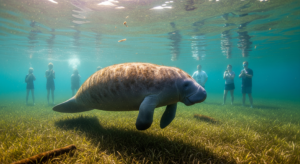
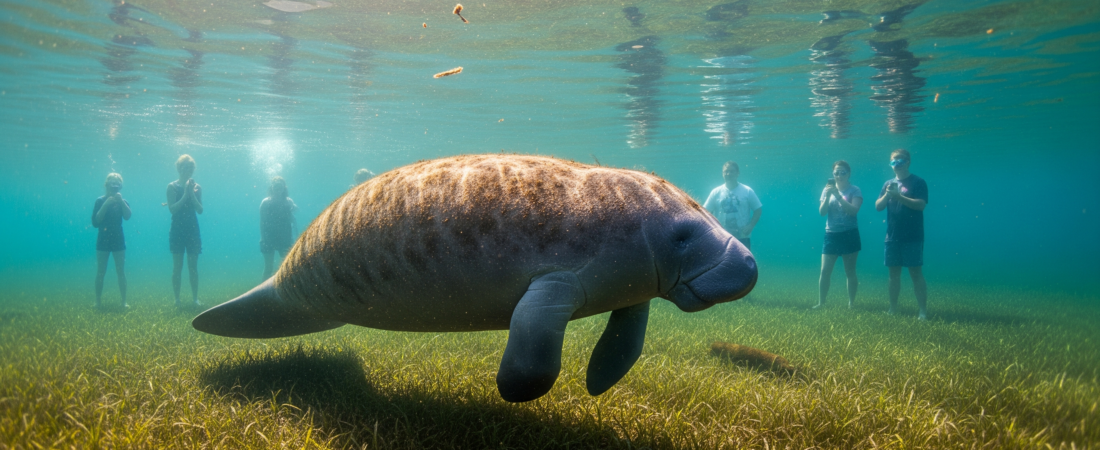
Floating in the murky, brackish waters of Florida, your child points a trembling finger at a massive gray shape gliding beneath the surface. It is the ultimate family vacation bucket list moment. You are sharing the water with a wild manatee, a creature that lacks the predatory grace of a killer whale or the cinematic agility of a dolphin, yet commands absolute awe.
But beneath this serene narrative lies a complex, often uncomfortable reality. Parents seeking non-generic, memorable travel experiences flock to Florida’s west coast, drawn by the promise of an intimate wildlife encounter. We want our children to disconnect from screens and connect with nature.
However, the very act of placing humans in the water with an endangered species creates an inherent friction. This is not a controlled theme park ride. It is a fragile ecosystem where human presence, no matter how heavily regulated or well-intentioned, inherently carries a risk to the animals we are trying to admire.
The Myth of the Underwater Petting Zoo
The prevailing myth driving much of the tourism in Citrus County is that manatees are simply waiting to play with curious humans. Travel brochures often paint a picture of a boundless, interactive playground where these “gentle giants” happily seek out snorkelers for belly rubs and photo opportunities.
This expectation sets families up for a fundamental misunderstanding of wildlife preservation. When parents plan a trip based on this myth, they inadvertently teach their children that wild animals exist for human entertainment. The reality is far more sobering. These mammals are highly vulnerable, seeking refuge in the inland springs not for our amusement, but for basic survival.
They arrive by the hundreds to find warmth and abundant plant life. Their lives outside these protected zones are perilous, often cut short by severe environmental factors and fatal encounters with speeding watercraft. Treating their winter sanctuary as a recreational petting zoo fundamentally disrespects the very real threats they face daily.
The Reality: A Maturing Conservation Model
Since this specific refuge was established in 1983, the approach to wildlife tourism has matured significantly, and today, the area operates under strict federal oversight. Crystal River is widely recognized as the manatee capital of the world, but that title comes with a heavy burden of responsibility.
This is the only place in the United States where snorkelers are legally permitted to swim with wild West Indian manatees in relatively clear water. The transition from unchecked tourism to a highly regulated sanctuary has forced a shift in how families must approach this experience.
The area is located in the heart of Florida’s Nature Coast, a region defined by its delicate environmental balance. Today, successful family trips here require meticulous pacing, strict adherence to rules, and a willingness to prioritize the animal’s comfort over a perfect vacation photograph.
Deep Analysis: The Numbers Behind the Sanctuary
To understand the scale of this conservation effort, one must look at the specific geography of the region. The sanctuary is not a single, easily managed pool.
According to official documentation from Discover Crystal River Florida, the Crystal River National Wildlife Refuge consists of 20 islands scattered in and around Kings Bay. This 80-acre refuge is accessible only by boat, creating a natural barrier that helps regulate the flow of human traffic.
The numbers highlight the tension: you have an 80-acre aquatic safe haven, hundreds of wintering manatees seeking warmth, and thousands of global tourists descending on the calm waters. The math leaves very little room for error. Every single swimmer added to the water increases the baseline stress on the ecosystem. The good underwater visibility and calm water that make the area so popular for divers and snorkelers also mean the manatees have very few places to hide from determined tourists.
Real Family Use Cases in the Water
Navigating this environment with children requires careful planning. Here is how different family dynamics play out in the waters of Citrus County:
The High-Energy Elementary Student
Children between the ages of seven and ten often struggle with impulse control. In the water, their natural instinct is to swim rapidly toward the manatee, splashing and shouting through their snorkels. This immediately violates the protocol of the refuge. Parents must actively pace this experience, practicing “passive observation” in a hotel pool beforehand to teach the child how to float silently like a log.
The Anxious Swimmer
For children who are not confident in open water, the pressure of swimming near a massive animal can cause panic. The dark, natural springs are vastly different from a clear swimming pool. In this scenario, forcing the child into the water ruins the experience. The better approach is utilizing the boat’s deck as a safe observation platform, allowing the child to engage without fear.
The Teenager Seeking Content
Older children often view travel through the lens of social media. The drive to get a selfie with a manatee can lead to aggressive positioning in the water, blocking the animal’s path to the surface for air. Parents must set clear boundaries before boarding the boat: the camera stays behind on the first dive, forcing the teenager to experience the moment entirely screen-free.
The Aha Moment: The Power of Doing Nothing
The central insight that transforms a stressful family excursion into a profound experience is the concept of passive observation. The realization hits when you finally stop kicking, stop swimming, and simply float.
When humans cease their aggressive pursuit, the dynamic shifts entirely. Manatees are naturally curious creatures. If a family can master the art of absolute stillness in the water, the animals will often approach on their own terms. This flips the script for children. Instead of chasing an experience, they learn the value of patience and respect. They realize that in the wild, the greatest reward comes to those who are willing to do absolutely nothing but watch.
The Educational Advantages
When executed correctly, this trip offers unparalleled educational benefits. It moves conservation from an abstract concept in a textbook to a tangible, breathing reality.
Children see firsthand the scars on the manatees’ backs – a grim reminder of the fatal encounters with speeding watercraft mentioned earlier. This visual evidence provides a powerful, screen-free lesson about human impact on the environment. Furthermore, the calm waters and numerous inland springs offer a masterclass in local ecology, demonstrating how abundant plant life supports a massive network of wildlife.
By pacing the trip to include conversations about these environmental factors, parents can elevate a simple vacation into a foundational moment for raising environmentally conscious adults.
When In-Water Encounters Fail: The Case Against Swimming
Despite the strict rules and the allure of the experience, there are times when getting into the water is simply the wrong choice. This is the other side of the coin that tourism boards rarely discuss.
If the water temperatures are exceptionally cold, putting small children into the springs can lead to rapid exhaustion and misery. More importantly, if the manatees are clearly huddled together for warmth and showing no signs of activity, entering the water borders on harassment.
A common mistake parents make is feeling obligated to swim just because they paid for a boat tour. Forcing an interaction when the animals are resting adds unnecessary stress to an already endangered population. In these moments, the most ethical and practical decision a family can make is to stay dry. Observing these mammals from the quiet respect of a boardwalk or a boat deck is often superior to crowding them in their own sanctuary.
Practical Implications for Tomorrow Morning
If you are planning this trip, the logistics are highly manageable, but the mindset requires immediate adjustment.
Citrus County is highly accessible, located less than a 1.5-hour drive from major travel hubs like Orlando, Tampa, or Daytona, according to regional planning data from TripAdvisor. This makes it an easy addition to a broader Florida itinerary.
However, what you must do tomorrow morning is sit down with your children and manage their expectations. Explain that they are visiting a wildlife hospital and sanctuary, not an amusement park. Practice snorkeling in a local pool with a strict “no splashing, no hands” rule. Book your tour with an operator who emphasizes passive observation over guaranteed interactions. Pace your itinerary so that the manatee swim is the only major activity that day, preventing the family from rushing through a delicate experience.
Key Takeaways
-
The environment is fragile: The “gentle giant” narrative masks the severe threats these endangered mammals face from environmental factors and boat strikes.
-
Regulation is strict: The 80-acre Crystal River National Wildlife Refuge is heavily monitored; human presence is tolerated, not entitled.
-
Passive observation is mandatory: The most profound, screen-free interactions happen when families float silently and let the animals lead.
-
Staying dry is a valid choice: Never force an in-water encounter if the children are anxious or the manatees are resting.
-
Pacing is critical: Treat the trip as an educational immersion, requiring time, patience, and realistic expectations.
Rethinking the Family Itinerary
Swimming with wild manatees remains one of the most remarkable experiences available to families traveling in North America. But it requires a shift away from the consumption of nature toward the respectful observation of it. As you finalize your travel plans, consider building your itinerary around the pacing of the animals rather than the demands of a schedule. Look for printable activity guides that teach children about Florida’s inland springs before you arrive, ensuring they enter the water not just as tourists, but as informed guests in a fragile home.
🎥 סרטונים קשורים
The sad realities of what manatee season in Florida actually looks like… 😭 #manatee #florida
🎥 סרטונים קשורים
The sad realities of what manatee season in Florida actually looks like… 😭 #manatee #florida