It happens on almost every family vacation: you spend months planning, cross oceans, and finally arrive at a bucket-list destination, only to find your children staring at glowing rectangles. Anyone who has attempted international travel with kids knows this frustration intimately. You want them to experience the world; they want to conquer the next level of their mobile game.
On June 23, 2026, the family travel experts at Wandering Wagars published a comprehensive guide detailing their 18 days traveling through Ecuador. Their experiences highlight a crucial reality for modern parents. The secret to ditching the screens is not hiding the devices or enforcing draconian rules. Instead, it is about designing an itinerary so physically and mentally engaging that the digital world simply cannot compete. Ecuador, with its intense geographical diversity, offers the perfect testing ground for this active participation strategy.
The Problem: The Passive Vacation Trap
When families plan trips, they often default to passive observation. Walking through colonial streets in Quito or looking out of a bus window in Volcano Alley is undeniably beautiful for adults. However, it is a recipe for absolute boredom for a nine-year-old. When children are not active participants in their environment, they naturally retreat to the familiar dopamine loops of their tablets.
The broken model of family tourism assumes children will absorb the culture simply by being in proximity to it. We drag them to cathedrals, monuments, and scenic overlooks, expecting them to share our adult appreciation for history and architecture. But children interact with the world through touch, movement, and play. If a vacation does not provide avenues for physical engagement, screen time becomes the default coping mechanism for under-stimulated minds.
The Solution: Active Regional Integration
The antidote to this digital dependency is strategic, active participation. As outlined in the recent Wandering Wagars Ecuador archive, merely showing up in a new country is not enough. You have to physically engage with the landscape. You must integrate unique activities from each specific region into your daily schedule.
Ecuador is uniquely suited for this demanding style of exploration. Despite being geographically compact – notably smaller than the state of Colorado – it forces families to shift gears constantly. You are not just changing hotel rooms; you are changing your entire mode of operation. This constant environmental rotation keeps children off-balance in the best possible way, forcing them to remain present and engaged with their immediate physical surroundings.
Deep Analysis: By The Numbers and Climates
Let us look at the geographical realities that make this strategy work. Ecuador demands a dynamic approach because it contains three wildly different environments: the high-altitude Andes, the dense Amazon rainforest, and the isolated Galápagos Islands.
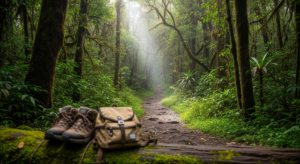
According to the Wandering Wagars family packing breakdown, preparing for this country means packing for three separate trips in one. You transition rapidly from shivering in fleece jackets in Cotopaxi National Park to sweating in lightweight, breathable gear deep in the jungle.
This constant environmental whiplash is actually a massive advantage for parents trying to master travel with kids. The human brain thrives on novelty. When the temperature, the local wildlife, and the daily transportation methods change every few days, children remain in a state of high alert and curiosity. There is no time to get bored when the rules of the environment keep shifting.
Real Use Cases: Three Environments, Three Modes of Engagement
How does this active integration look in practice? Here are three specific use cases where physical participation naturally replaces screen time.
The Galapagos Wildlife Cruise
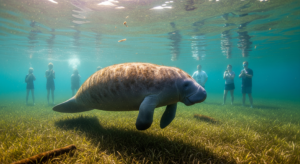
Located 600 miles off the mainland, the Galapagos Islands require a highly specific type of engagement. Instead of passively looking at animals in a traditional zoo setting, children are snorkeling alongside playful sea lions and carefully stepping over marine iguanas baking on the rocks. Choosing the right ship and route is vital here. The boat itself becomes a floating classroom where the daily naturalist briefing easily replaces evening television.
Hiking and Kayaking at Quilotoa
A stunning volcanic crater lake in the Andes offers much more than just a quick photo opportunity. Families who take the time to hike down into the caldera and rent kayaks to paddle across the mineral-rich water give their children a tangible physical challenge. The sheer effort required to navigate the high altitude and the steep, sandy terrain leaves zero energy or desire for digital distractions at the end of the day.
Amazon Spotting at La Selva Lodge
In the deep rainforest, the primary activity shifts from physical endurance to hyper-focused observation. At eco-lodges like La Selva Lodge, guided night walks and quiet canoe rides turn children into active wildlife spotters. They are handed flashlights and tasked with finding the glowing eyes of caimans reflecting in the dark water. They transition from passive tourists to active participants in the expedition.
The Aha Moment: Reality Outperforms Pixels
Here is the central insight that changes how we view family vacations: you cannot ban screens successfully if you do not offer a superior alternative.
The realization hits when you see that scanning the dense Amazon canopy for howler monkeys triggers the exact same reward centers in a child’s brain as a fast-paced video game. It is a high-stakes treasure hunt, but the graphics are real. When the physical environment provides enough sensory input and a clear, actionable objective, the iPad stays in the backpack voluntarily. You do not have to fight over screen time when the real world is objectively more entertaining.
Advantages of the Active Approach
This strategy yields dividends far beyond a single trip to South America. First, it builds incredible resilience. Children learn to manage mild discomfort, whether it is the biting chill of the Andean highlands or the oppressive humidity of the jungle.
Second, it fosters genuine family bonding. You are navigating real-world challenges together – like figuring out how to balance a kayak or spotting a hidden bird – rather than parallel-playing in the same hotel room.
Finally, it creates permanent anchor memories. A child might easily forget the name of a historical cathedral in Quito, but they will never forget the exact moment a blue-footed booby landed on the railing of their boat.
When This Approach Fails: The Logistics Trap
However, this high-engagement strategy is not foolproof. When does this multi-region approach collapse? It fails spectacularly when parents underestimate the physical toll of altitude, climate shifts, and constant movement.
A common mistake is treating a diverse country like Ecuador like a standard, relaxing beach holiday. Families try to cram Quito, the Amazon, and the Galapagos into a painfully tight ten-day window. This leads directly to transit burnout. When children are exhausted from endless airport layovers, bus rides, and altitude sickness, they will inevitably retreat to their screens as a necessary coping mechanism to shut out the overwhelming exhaustion.
Furthermore, failing to pack correctly for these three wildly different environments can ruin the entire experience. If your teenager is freezing in Volcano Alley because you only packed lightweight gear for the Galapagos, their physical misery will override any potential engagement. Successful travel with kids requires acknowledging their physical limits and pacing the itinerary with ruthless pragmatism. You must build in rest days where absolutely nothing is scheduled.
Practical Implications: What to Do Tomorrow
If you are planning an expedition to a highly diverse destination, your immediate next steps are purely logistical.
First, audit your current itinerary for passive versus active days. If you have three consecutive days of city walking tours, replace one with a hands-on local cooking class or a physical hike. You need to break up the observation with action.
Second, rethink your luggage strategy entirely. You need modular packing systems. Dedicate specific packing cubes to the high-altitude Andes and separate ones for the Amazon rainforest. This prevents daily suitcase explosions and keeps the family organized.
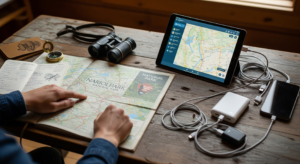
Third, assign specific, important roles to your children before you even leave for the airport. Make one the official wildlife photographer and another the navigator for hiking trails. Give them real agency in the journey.
Key Takeaways
- Engagement cures screen reliance: Active participation in diverse environments naturally replaces the need for digital entertainment.
- Pacing is critical: Moving between the Andes, the Amazon, and the Galapagos requires careful scheduling and rest days to avoid transit burnout.
- Pack for distinct climates: Diverse geography demands modular packing strategies to keep children comfortable and willing to participate.
- Assign active roles: Turn your children into wildlife spotters or trail navigators to give them a sense of ownership over the itinerary.
Keep The Momentum Going
Planning a multi-region adventure requires more than just booking flights and hotels. To keep your children engaged during those unavoidable transit days between climates, explore our collection of interactive travel activity printables. They are specifically designed to bridge the gap between destinations, keeping young minds active, focused on the real world around them, and safely away from the screens.
שאלות ותשובות
The most effective way to reduce screen time on family trips is to design an itinerary that is so physically and mentally engaging that digital devices simply can’t compete. Instead of enforcing strict rules, focus on creating experiences that naturally capture your children’s attention and encourage active participation in their surroundings. This means prioritizing activities that involve movement, exploration, and hands-on engagement with the destination.
The Screen-Free Ecuador Strategy is an approach to family travel that leverages a destination’s diverse environments and inherent challenges to keep children engaged without screens. It involves actively integrating unique regional activities into the daily schedule, forcing constant environmental and operational shifts. This dynamic, hands-on exploration aims to provide a superior alternative to digital entertainment, making the real world more captivating than any device.
Children often retreat to screens on vacations because many family trips default to passive observation, which is unstimulating for younger minds. When children aren’t active participants—touching, moving, and playing—they become under-stimulated. The familiar dopamine loops of digital games offer an easy escape from boredom, especially when the vacation doesn’t provide avenues for physical or sensory engagement that matches their natural curiosity and need for interaction.
Ecuador’s compact yet incredibly diverse geography is ideal for this strategy. It features three distinct environments: the high-altitude Andes, the Amazon rainforest, and the Galápagos Islands. This constant environmental whiplash—transitioning from cold highlands to humid jungles—keeps children in a state of high alert and curiosity. The rapid changes in temperature, wildlife, and transportation methods prevent boredom by demanding constant adaptation and present-moment awareness.
In the Galápagos, snorkeling with sea lions and observing marine iguanas up close offers a more engaging experience than a zoo. Hiking down into the Quilotoa crater and kayaking on its lake provides a tangible physical challenge that exhausts children, leaving no desire for screens. In the Amazon, guided night walks and canoe rides to spot wildlife like caimans turn children into active observers, turning the jungle into a real-life treasure hunt that outperforms digital games.
The primary risk of the active engagement strategy in a place like Ecuador is underestimating the physical toll of altitude, climate shifts, and constant movement. Trying to cram too many diverse regions into a short timeframe, such as ten days, can lead to transit burnout and exhaustion. When children are overwhelmed by travel fatigue, altitude sickness, or discomfort from improper packing, they will inevitably revert to screens as a coping mechanism to shut down.
For an active travel strategy in Ecuador, a minimum of 18 days is recommended to truly experience its diverse regions without burnout. This duration allows for sufficient time in each distinct environment—the Andes, the Amazon, and the Galápagos—without rushing. A shorter trip, like ten days, often leads to excessive transit and exhaustion, undermining the goal of engaging children and potentially leading them back to screens as a way to cope with fatigue.
This active travel strategy builds significant resilience in children, teaching them to manage mild discomfort from varying climates and altitudes. It also fosters genuine family bonding as you navigate real-world challenges together, creating shared experiences and memories. Unlike passive tourism, these active adventures—like spotting a rare bird or mastering a kayak—create powerful, lasting anchor memories that children will recall long after the trip concludes, far more vividly than any digital interaction.